
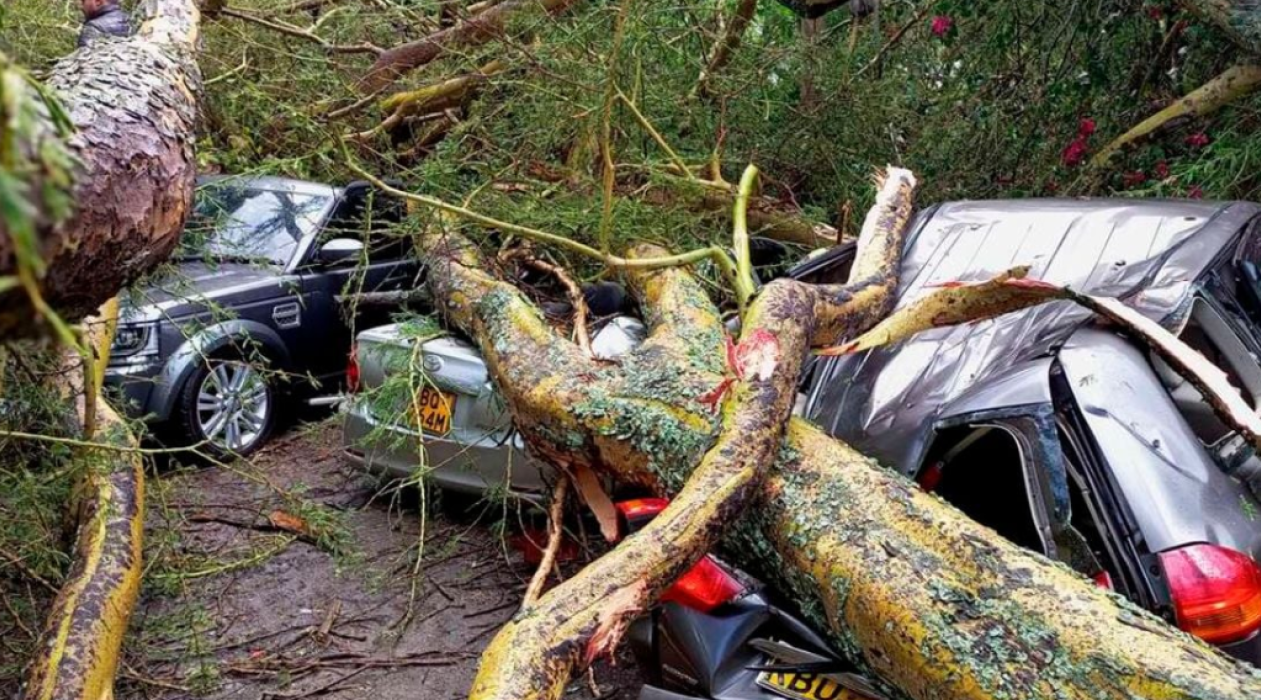
Fever trees are a beautiful part of Durban South Africa’s natural landscape. Their bright yellow-green bark and graceful branches make them popular in gardens and estates. But despite their beauty, many homeowners have discovered the hard way why fever trees fall — often causing serious damage to walls, cars, and even roofs.
At Affordable Tree Felling, we’ve worked with hundreds of property owners across Durban who were surprised when their fever trees suddenly toppled over after strong winds or heavy rain. In this article, we’ll explain the main reasons why fever trees fall and how to prevent property damage before it’s too late.
1. Shallow Root – A Main Reason Why Fever Trees Fall
One of the biggest reasons why fever trees fall is their shallow root system. Unlike deep-rooted trees, fever trees spread their roots close to the soil surface. This makes them unstable in soft, sandy, or waterlogged ground — especially after rain or irrigation.
Tip: Avoid overwatering the area around fever trees, and make sure the soil drains well to strengthen the roots.
2. Weak Wood and Fast Growth — Why Fever Trees Split or Fall
Fever trees grow quickly, which often leads to soft, weak wood. As a result, their branches are more likely to crack or split during strong winds or storms. Regular pruning by professionals like Affordable Tree Felling helps control their shape and reduces the risk of falling branches.
3. Top-Heavy Canopy
Another reason why fever trees fall is their wide, heavy canopy. This makes them top-heavy and more vulnerable to wind damage. Without crown reduction or regular maintenance, the upper weight of the tree can pull it down during bad weather.
4. Wet or Waterlogged Soil — How It Causes Fever Trees to Fall
Because fever trees naturally grow near rivers and wetlands, they don’t do well in overwatered lawns. When the soil becomes soggy, it weakens the roots’ grip, making it easier for the tree to fall.
Tip: Plant fever trees away from constant water sources, and don’t place them near underground drains or sprinkler systems.
5. Age and Lack of Maintenance
Older fever trees often hide internal decay, cracks, or root damage that isn’t visible from the outside. Without proper inspection and trimming, these weak points can cause sudden collapse.
That’s why property owners across Durban and Pietermaritzburg trust Affordable Tree Felling for tree inspections, pruning, and safe removal services — to prevent accidents before they happen.
How to Prevent Fever Trees from Falling
To protect your property and your family, follow these simple prevention tips:
a) Schedule an annual tree inspection by a professional arborist.
b) Trim or reduce the crown to lower wind resistance.
c) Avoid planting close to structures — keep at least 5–6 metres from walls or buildings.
d) Remove leaning or damaged fever trees before storm season.
Need Expert Help?
If you’ve noticed your fever tree leaning, cracking, or standing in soft soil, it’s time to act.
Affordable Tree Felling provides expert tree pruning, felling, and inspection services across Durban to keep your property safe.
Note: The image above shows some cars that were crushed by an acacia tree outside Durban
📞 Call or WhatsApp Denis today @ 072 082 0261 for a safety check and keep your property protected year-round. Quotations are free!